by Tracey Chen
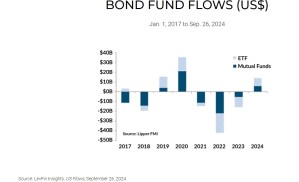
The latest round of interest rate cuts by central banks around the world has reignited enthusiasm for bonds, as shown by recent flows into U.S. fixed income assets.
Demand has outweighed supply for new issues, resulting in subscribers willing to take a lower new issue concession (spread premium or less “extra spread”) compared to bonds available in the secondary market.i Two Canadian investment-grade bonds issued at the end of September even had negative spread concessions, meaning that investors were willing to overpay in the primary market rather than buy existing bonds on the secondary market.
Read the rest of the 2024 EdgePoint 3rd Quarter Commentary here: Keeping It Simple When It Comes to Risk



by Tracey Chen
The latest round of interest rate cuts by central banks around the world has reignited enthusiasm for bonds, as shown by recent flows into U.S. fixed income assets.
Demand has outweighed supply for new issues, resulting in subscribers willing to take a lower new issue concession (spread premium or less “extra spread”) compared to bonds available in the secondary market.i Two Canadian investment-grade bonds issued at the end of September even had negative spread concessions, meaning that investors were willing to overpay in the primary market rather than buy existing bonds on the secondary market.
Read the rest of the 2024 EdgePoint 3rd Quarter Commentary here: Keeping It Simple When It Comes to Risk
Archives
Categories