

There is something special about summer. For me, it is simply a happier time, and I think there is more to it than just the warm weather.
Summer has a way of changing the pace. The days are longer, the evenings stretch a little further, and we tend to make room for the people and experiences that can get pushed aside during the rest of the year.
In our family, one of those traditions is our annual camping trip and boat ride with our daughters, Abby and Ellie. It is not extravagant, but it is one of the things we all look forward to. The value of it has very little to do with what it costs, and a great deal to do with the memories it creates.
That is true for most of the things people eventually call “bucket list” items. They are rarely about owning more things. They are usually about experiences: places we want to see, people we want to spend time with, milestones we want to celebrate, or moments we do not want to miss.
Some years ago, I came across a study with a superb title: A Wonderful Life: Experiential Consumption and the Pursuit of Happiness (Gilovich, Kumar, Jampol, Journal of Consumer Psychology, 2015). Its basic conclusion will not surprise many of us: experiences tend to strengthen relationships, become part of how we see ourselves, and create fewer of the comparisons that often come with material purchases.
There is a financial-planning issue here that is easy to miss. Many families spend years asking whether they are saving enough. That is an important question. But at some point, another question deserves equal attention: are we using our resources at the right time, while the experiences we value most are still available to us?
Many people are very good at saving for the future. They have spent decades being responsible, avoiding unnecessary risk, and making sure they do not run out of money. Those habits are valuable. In many cases, they are the very reason a family has financial security in the first place.
But those same habits can create a new challenge later in life. After years of being careful savers, some people find it surprisingly difficult to become intentional spenders. Saving skills and spending skills are not the same discipline.
That does not mean being reckless. Quite the opposite. The point is not to spend more. The point is to spend more deliberately.
A good financial plan should help answer not only, “Are we going to be okay?” but also, “What can we afford to do now without putting the future at risk?” For many successful families, that second question becomes just as important as the first.
It matters because not every goal has the same shelf life. A dollar can sit in an account for another decade. A family trip with everyone healthy, mobile, and available may not have that same timeline. A milestone anniversary, a cottage week with children and grandchildren, a long-discussed adventure, or a visit with someone important may be financially possible for many years, but practically or emotionally available for a much shorter period.
This is where planning becomes more than an investment exercise. The numbers matter, of course. Returns, taxes, cash flow, inflation, and estate goals all must be considered. But the real purpose of the plan is to help connect financial resources to the life they are meant to support. In other words, financial planning is not just about avoiding failure; it is also about making better timing decisions with money.
In practical terms, that may mean testing whether a larger trip in the next few years changes the long-term plan. It may mean setting aside a specific “experience reserve.” It may mean deciding which dollars are for lifestyle, which dollars are for security, and which dollars are for estate or legacy goals. The answer will be different for every family, but the question is worth asking.
Sometimes good planning means saving more. Sometimes it means protecting what has already been built. And sometimes it means giving yourself permission to move something from “someday” to the calendar.
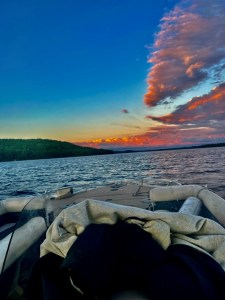 As you enjoy the summer months, it may be worth asking a simple question: is there one experience, visit, trip, or family moment that deserves to be planned for now rather than left in the vague category of “one day”?
We hope you and your family have a wonderful summer and create memories that will last well beyond the season. As always, thank you for allowing us to be part of your planning journey.
-MAT

